Jamtul Rinpoche Jamyang Sherab Özer
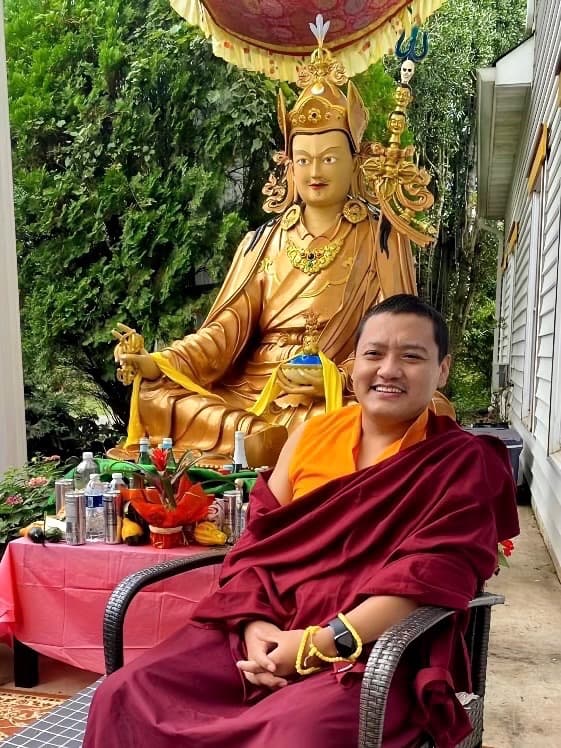
Jamtul Rinpoche Jamyang Sherab Özer devoted his life to studying and reflecting on both Sūtra and Tantra, along with other sciences. He often stayed in mountain retreats, where he found great success in his practice.
To benefit others, he supported the Dharma through teaching, study, and writing. Living as a hidden yogi, he dedicated his life to practicing Dzogchen.
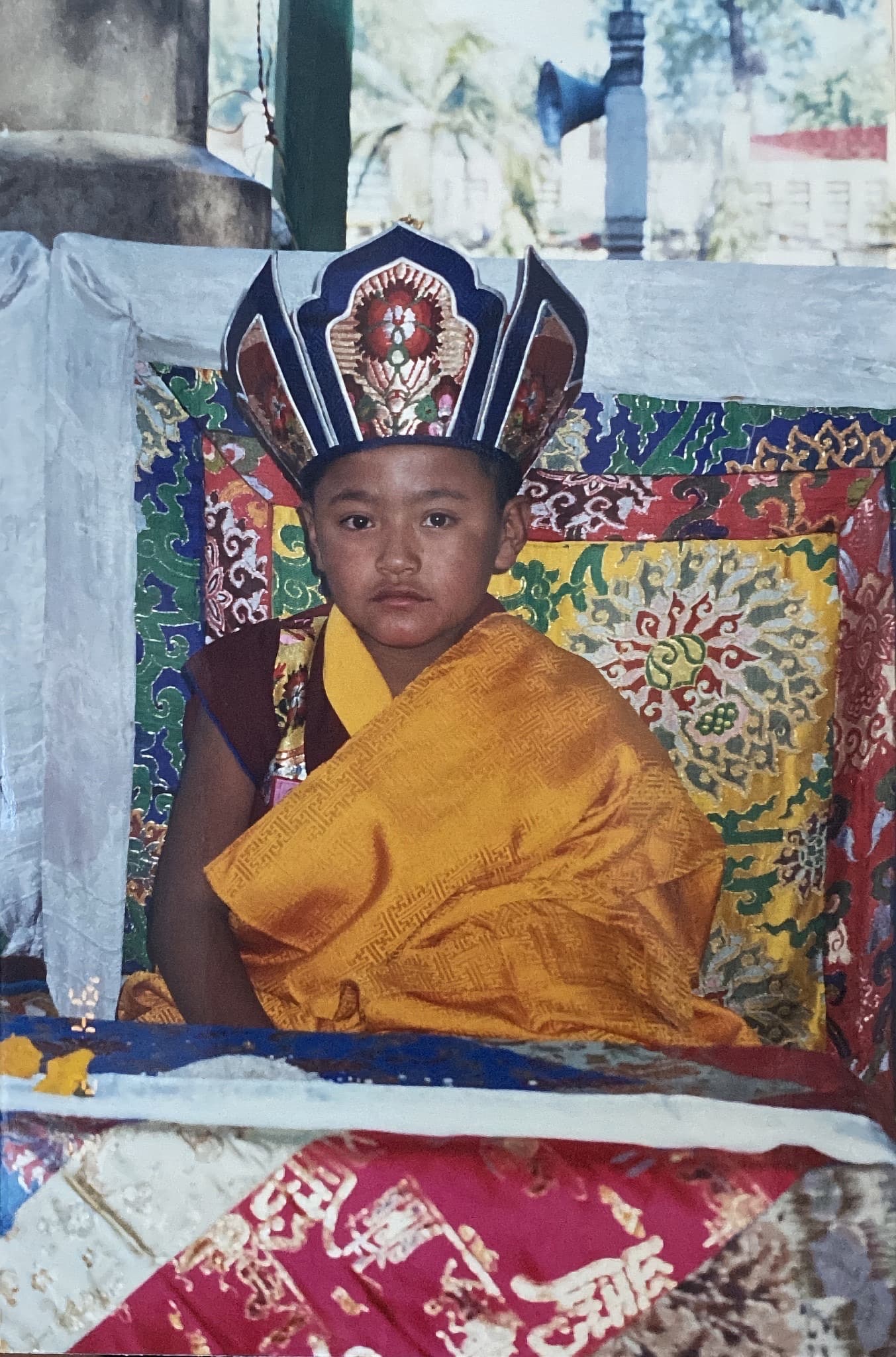
Early Life & Recognition
Jamyang Sherab Özer Rinpoche was born in 1910 in eastern Tibet, into the Nangchen Tagtsar family, which is part of the Mugpo Ling lineage from the Tamshung Boldé region. His parents were Tagtsar Könchok Tendhar and Pönza Karzes Lhamo. He was born in the Iron Male Dog year of the fifteenth Tibetan Rabjung cycle, and many auspicious signs appeared during his birth.
The great master Druang Trashichöpel Rinpoche recognized him as the third incarnation of the Jamtul Rinpoche of Tagtsar Zanyin Monastery, Thupten Chökhor, in Nangchen (the first Jamtul Rinpoche incarnation was Jamyang Tendzin Namgyal; the second Jampel incarnation was Jamyang Norbu Gyaltsen), and Druang Trashichöpel Rinpoche gave him the name Jamyang Sherab Özer. Yongdzin Lodrö Tendzin became his tutor, and from a young age, he learned reading, writing, and other subjects with great skill.
Education & Practice
In 1923, at the age of thirteen, he went to the Zurmang Namgyal Lhatse monastic college in Nangchen. There, he became a direct disciple of the Khenchen Padma Namgyal Rinpoche, a close student of the great master Dzogchen Khenpo Zhenga, who was clearly praised by the vajra prophecies of both the oral transmission (bka’) and treasure (gter).
Under Khenchen Padma Namgyal’s guidance, Jamtul Rinpoche mastered Sūtra, Tantra, language studies, Tibetan medicine, and other subjects. After completing his studies and deep reflection, he became a respected scholar. He then focused on practice, spending time in mountain retreats and applying the teachings he had learned.
At times, he also taught Sūtra and Tantra to devoted students. After Zurmang Khenchen Pema Namgyal passed away, he settled in the central Tibetan region of Nangchen, living as a free and unattached Yogi, having visited holy places for pilgrimage and practicing meditation.
Empowerments & Treasures
When His Holiness Dudjom Jikdrel Yeshe Dorje gave the empowerments of the Rinchen Terdzö (Treasury of Precious Termas) for the first time, Jampal Rinpoche received them and became a student. It was said that at that time, because some of the empowerment tskali (icons) were incomplete, Jampal Rinpoche hand-drew the missing parts of the takli.

During that time, he first met Kyabjé Chatral Sangye Dorje. Later, when Chatral Rinpoche became the head lama of the fifth Reting Rinpoche, Thubten Jampal Yeshe Gyaltsen, Kyabjé Chatral Rinpoche, and Jamtul Rinpoche developed a very close relationship.
Jamtul Rinpoche met treasure revealer Ratreng Terchen Sangye Wangdü, an emanation of great treasure revealer Nubchen Sangyé Yeshé. Due to their past karma and prayers, and a perfect auspicious connection, Jamtul Rinpoche became the chos bdag (dharma-lord) of the circle of treasure teaching of the Padmé Sangtik, according to the prophecies of Ratreng Terchen Sangye Wangdü.
Jamtul wrote supplements and notes for these treasure teachings and played the key role in preserving and passing them down to future generations.
Founding Monasteries & Life in Exile
In 1943, in a remote and secluded area of Damrag Chen in northern Ü-Tsang, Jamtul Rinpoche, along with his brother, Kyabjé Shingdrup Rinpoche Ngawang Gyurme Tenzin, founded Kunsang Do-ngak Ling monastery to study and practice the teaching of Buddha dharma. Because of his close relationship with the fifth Reting Rinpoche Thubten Jampel Yeshe Gyaltsen, who served as the regent after the passing of the Thirteenth Dalai Lama. At the request of Rating Rinpoché, Jamtul established a new retreat center called Ngar Gomchen Orgyen Ling in the Reting region, where he actively promoted its teachings and practices. Also, because Jamtul Rinpoche spent a long time in retreat in the Crystal Cave of Nyenchen Tanglha, in Damrak Chen Drilhai’s hermitage, he became widely known as Sheldkar Rinpoche (white crystal Rinpoche).
In 1958, Jamtul Rinpoche went on a pilgrimage to India with a few attendants, visiting major sacred sites, including Bodh Gaya. He then traveled to Sikkim, where he spent a long time receiving empowerments and teachings from Dzongsar Jamyang Khyentse Chökyi Lodrö before returning to Tibet.
In 1959, after the Chinese invasion of Tibet, Jamtul Rinpoche went into exile in India. He settled in the Settlement camp in Orissa, where he served as one of the prominent lamas of Dudul Rabtenling Monastery. He also offered spiritual guidance to the people of the settlement’s third camp.

Likewise, he also gave instruction in the arts and sciences to some earnest young people from that area. As per the instructions of His Holiness the Dalai Lama, and at the invitation of the Tibetan Government Performing Arts Troupe in Dharamsala, he improved existing material and innovated new compositions of songs, melodies, etc., for the opera Chögyal Ngadak Lhatsenpo Tri Rel, thus benefitting the teachings and all beings.
He also taught literacy and philosophical texts to eager young people in the area. Following the instructions of His Holiness the Dalai Lama and an invitation from the Arts Troupe in Dharamsala, he improved existing works, wrote lyrics, and created new melodies for the opera Chögyal Ngadak Lhatsenpo Tri Rel. He mastered all major subjects.
Legacy
Jamtul Rinpoche’s writings include “The Epic of Ling Gesar: The Deathless Drum of the Gods,” works on the White Ling Horse Race, and notes on the Ling Dance of Great Blissful Play. He also compiled rituals for the Padma Sangtik Gongdü circle, along with many prayers and aspirations. In short, through giving empowerments, transmissions, and pith instructions, he guided many fortunate beings on the path to awakening. In 1987, amid wondrous and auspicious signs, he passed into nirvāṇa.
PRINCIPAL COMMITMENTS OF
JAMTUL RINPOCHEJamyang Sherab Özer
The Union of Learning and Realization

Firstly, as a sincere seeker of truth, Jamtul Rinpoche devoted his entire life to the union of learning and realization. He understood that knowledge alone cannot liberate the mind unless it is deeply contemplated and brought into lived experience. Through unwavering discipline, he immersed himself in the study of Sūtra and Tantra, and then withdrew into long periods of retreat to realize their essence directly - especially within the profound path of Dzogchen. His life conveys a powerful message: that true peace is not found externally, but uncovered within a mind that has been trained, clarified, and awakened.
Secondly, as a devoted guardian of the Dharma, he was deeply committed to the preservation and transmission of authentic spiritual teachings. With a sense of sacred responsibility, he received, practiced, and passed on invaluable lineages, including rare treasure teachings (terma). Through teaching, writing, and offering empowerments, he ensured that these living streams of wisdom would not fade with time. In connection with great masters such as Dudjom Jikdrel Yeshe Dorje, his efforts became a vital bridge between past realization and future awakening.

Guardian of
the Dharma
The Hidden Yogi
"Thirdly, as a hidden yogi, Jamtul Rinpoche embodied the power of humility and inner realization over outward recognition. Choosing a life of simplicity and retreat, he showed that the deepest spiritual influence arises not from fame or position, but from genuine realization and compassion. His quiet presence, free from attachment and worldly ambition, became a living teaching—reminding others that the path to awakening is walked inwardly, in sincerity, discipline, and devotion."

Service to Community and Culture
Fourthly, as a son of Tibet living through exile, he remained steadfast in his commitment to serve and uplift his community while preserving its spiritual and cultural essence. Even in unfamiliar lands, he continued to teach, guide, and nurture younger generations - sharing not only profound philosophical insights but also contributing to cultural expressions such as literature, ritual, and sacred arts. In doing so, he helped ensure that the wisdom and spirit of Tibet would endure beyond displacement and hardship.
Benefit All Beings
Finally, at the heart of all his commitments was an unshakable vow: to benefit beings and guide them toward liberation. Whether in solitude or among disciples, through words or silent presence, his life was an offering dedicated to awakening others. He demonstrated that the highest purpose of human life is to realize wisdom and embody compassion - lighting a path that continues to inspire those who seek freedom from suffering.